

In 2002, NBA star Allen Iverson delivered what became an iconic press conference in the sports history culture. Facing questions about his commitment to practice, he responded with disbelief, repeating the word “practice” twenty-two times in a now-legendary rant. His point was simple: practice felt beneath him. He was a franchise player. Practice was not the game.
Most of us, if we are honest, carry a version of that same attitude into our spiritual lives. We know we should pray more, give more generously, and deny ourselves the things that pull our attention away from God. Actually doing those things feels tedious, obligatory, or even pointless. Why practice when we already know the game?
Here is the answer that changes everything: spiritual disciplines are not about performing for God. They are about training your flesh.
The Battle You Are Already In
Scripture is clear that the moment a person comes to faith in Jesus Christ their spirit is redeemed. The Spirit of Christ takes up residence within and that redeemed spirit genuinely desires to be salt and light in a broken world. But that spirit continues to live inside a body of flesh that is, as Paul describes it, dying a slow death. The flesh is selfish. It wants to be fed, noticed, and satisfied on its own terms.
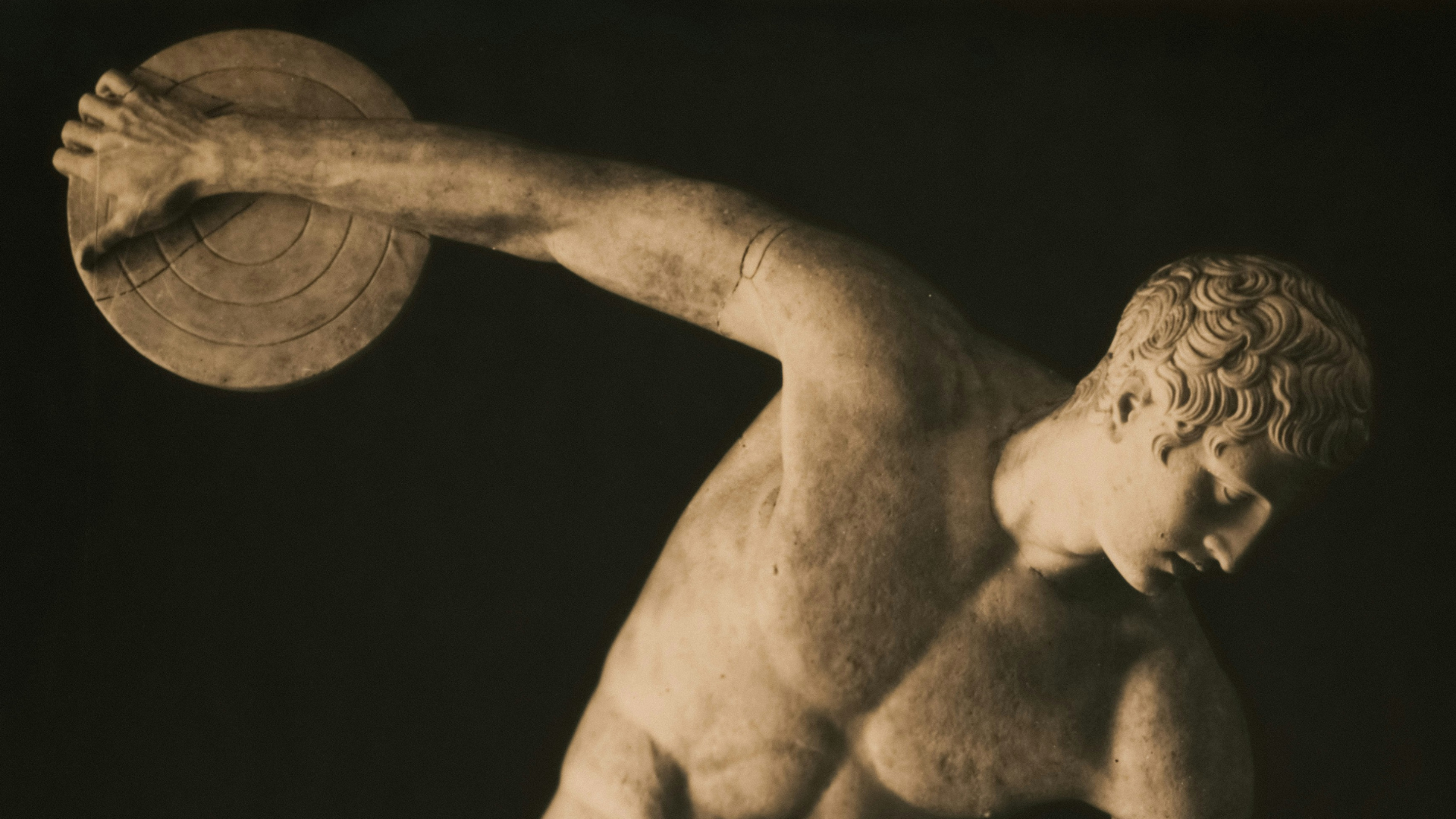
Paul describes his life, and the Christian life, as that of an athlete. The athlete, in a historic sense, finds its roots in the Greek culture; think in the way of the Olympics and their ancient origin. Writing to the Church in Corinth, a Greek city, Paul compared himself to a disciplined fighter, someone who strictly trains his body and makes it his servant, so that after proclaiming the gospel to others, he himself would not be disqualified. (1 Corinthians 9:26-27) Paul was not worried about losing his salvation, he was concerned about the impact of his witness. He did not want his flesh to undermine what his spirit was proclaiming.
That is the heart of the matter. Spiritual disciplines exist so that we can train our flesh to submit to our spirit. They are practice for the game.
Two Kinds of Reward
In Matthew 6, Jesus lays out a straightforward practice plan for his followers. Before he gets into the specifics, he establishes a foundational principle in verse one: ““Be careful not to practice your righteousness in front of others to be seen by them. If you do, you will have no reward from your Father in heaven.”
What Jesus is drawing out here is the difference between two very different kinds of reward. The first is transactional. You give, you pray, you fast, and you do it so that others will notice and think well of you. You get exactly what you were after, recognition. That is all you get.
The second kind of reward is transformational. It is not the result of an action. It is the result of relational depth that only Christ can give. When your disciplines are motivated by love for Jesus and a genuine desire to become more like him, God transforms you from the inside out. Which reward are you chasing?
Three Areas of Practice
Jesus focuses on three specific areas, and each one carries the same warning and the same invitation.
Giving. Jesus begins with money, and that is not an accident. Few things reveal the true condition of our hearts more quickly than what we do with our finances, the Bible goes so far to refer to money as a master. The flesh is selfish and will only give when it can see a personal benefit. But the spirit gives because generosity reflects the character of a God who gave everything. Giving regularly and quietly is not doing God a favor. He owns everything. What giving does is train your flesh to trust in Christ rather than in your bank account. Is your giving reflective of a transformed heart or an entitled one?
Prayer. The Pharisees loved to pray in public, using elevated language and dramatic posture so that everyone around them would be impressed by their religiosity. Jesus calls that out directly. He says to go to a private place, close the door, and speak to your Father. He also warns against treating prayer like a formula, as if repeating a request enough times will eventually wear God down into compliance. God already knows what you need before you ask. So why pray at all? Because the Creator of the universe wants to know you. Prayer is not a transaction. It is a conversation with a Father who loves you. Do you treat prayer as a personal conversation with your Heavenly Father or display of your own righteousness?
Self-denial. The Pharisees made fasting into a public spectacle, walking around with disfigured expressions so that everyone would know how devoted they were. Jesus says to wash your face and put oil on your head. In other words, do not make your sacrifice the centerpiece of your identity. Self-denial is not about being known for what you do not do. It is about removing whatever gives your flesh a competitive advantage over your spirit. Think of it this way: a wrestler cuts weight not to celebrate the discipline of cutting weight, but because it puts them in a better position to win. Sacrificing things in our lives is not always about the black and white answers; sometimes the things that are blocking our effectiveness for Christ might be “good” practices, but if these practices are impairing your witness, they need to be evaluated.
A Simple Place to Start
If all of this sounds overwhelming, start small and be consistent. Read one chapter of Proverbs a day. Give a small amount regularly. Pray for five minutes before you try for fifty. And consider praying the Lord’s Prayer every single day. Jesus placed that prayer right in the middle of his teaching on spiritual disciplines for a reason. It is not vain repetition. It is a relational prayer that covers everything, trust in God’s provision, forgiveness, dependence, and surrender to his will.
If you’re stuck striving to impress God, remember that nothing you do this week will make God love you more, or less, than he does right now. His love for you comes through his Son, not through your performance. But your flesh is still in the ring, and it is still fighting and spiritual disciplines are how you train. Start practicing.